Introduction
Water is the quiet workhorse of every great beverage brand. For Glace Mineral Water, the source isn’t just a location on a map; it’s a story stitched into every bottle. As a brand strategist who has helped many food and drink brands find their voice, I’ve learned that the origin of a product matters almost as much as its taste. Consumers want transparency, credibility, and evidence that what they’re sipping is real, clean, and responsibly sourced. In this guide, you’ll meet the people, places, and practices behind Glace Mineral Water. You’ll also see how honest storytelling, precise positioning, and practical steps can build trust with new fans while boosting retail performance.
Below, you’ll read about the mineral springs, the journey from source to bottle, and the ways we communicate that journey to consumers. You’ll find personal experiences, client success stories, and transparent, actionable advice. Ready to dive in? Let’s start with the core question.
Where Does Glace Mineral Water Come From? A Quick Guide
Glace Mineral Water originates from a protected aquifer that has been naturally filtered through layers of mineral-rich rock over thousands of years. The exact geography varies by batch and campaign, but the hallmark remains the same: clean groundwater enriched with naturally occurring minerals, bottled at the source with minimal intervention. The aim is to preserve taste, bicarbonates, silica, calcium, magnesium, and trace elements that define the character of Glace.
From a strategy perspective, the key here isn’t just the water itself but the story we tell around it. We lean into authenticity, precision, and the science of mineral balance. The result is a product that feels grounded, credible, and trustworthy to consumers who demand quality with transparency. Here are the essential mechanics behind the source.
- Source protection: A multi-layered protection program ensures the aquifer remains pristine. This includes restricted access, periodic testing, and continuous monitoring for contaminants. Natural filtration: The water passes through mineral-rich rock and soil, which contributes to its distinctive mineral profile without requiring heavy processing. Minimal processing: The goal is to maintain purity with gentle filtration and bottling at the facility closest to the source to minimize transport impact. Consistent mineral balance: Regular lab tests verify consistent levels of calcium, magnesium, bicarbonates, and silica, so taste remains recognizable across lots.
What does this mean for you as a consumer or a prospective client? It means you get a consistently clean, crisp, well-rounded mineral water that tastes true to its origin. It also means we can tell a reliable story because the data backs up the flavor and the mouthfeel. If you’re evaluating a mineral water brand, ask about the source protection plan, the filtration steps, the testing cadence, and the bottling location relative to the source. The answers should be concrete, not vague.
Origin Story and Geographic Footprint: Tracing the Bottled Journey
Understanding where Glace begins helps you understand what you’re buying. The source sits in a protected region known for its geology and natural beauty. The bottling plant is located within a short radius of the aquifer to minimize transport time and preserve mineral integrity. This proximity reduces exposure to light and temperature fluctuations that could degrade taste or quality.
In practice, the brand uses a carefully designed supply chain that prioritizes traceability. Each batch is assigned a unique code that allows auditors, retailers, and even adventurous consumers to trace back through the value chain. It’s not just about compliance; it’s about confidence. When a retailer asks, “Where does this come from?” we can point to a live map, a batch record, and a third-party lab report that confirms the mineral profile per lot.
Client lessons come from being able to translate geography into trust. One client in the premium segment saw a noticeable uplift in shelf presence after we introduced a robust origin story: a short, elegant dossier that explained the aquifer, the filtration steps, and the environmental safeguards. Sales lifted, but more importantly, customers started returning because they believed in the authenticity of the product. The moral: geographic transparency paired with tangible proof builds loyalty early, which compounds over time as repeat purchases.
Mineral Profile and Taste: How Water Becomes Character
People often ask, “What makes Glace taste different?” The answer, in essence, lies in the mineral balance that arrives from the source. Calcium and magnesium lend softness and structure; bicarbonates give a supple mouthfeel; silica adds a touch of mineral brightness; trace elements round out the finish. The exact numbers vary slightly by batch, but the aim is consistency with a recognizable palate.
From a branding lens, the mineral profile is your differentiator. It’s what you use in messaging to explain why Glace feels cleaner, crisper, and more refreshing than generic spring water. In practice, we pair sensory data with consumer testing to calibrate positioning. We ask questions such as: Do people perceive a “clean” finish? Is the water perceived as mineral-forward or neutral? And how does the texture influence the perceived quality?
A notable client win came from aligning the flavor story with on-pack cues. We redesigned the packaging to hint at the mineral origin—soft blues for see more here clarity, a touch of silver to evoke purity, and a concise “Mineral Balanced for Refreshment” claim. The effect: a stronger shelf presence and improved trust signals from health-conscious consumers. The takeaway is simple: your taste comes with a story, and the story can influence perception as much as the taste itself.
Process and Quality Assurance: From Source to Sip
Quality assurance is more than a checklist; it’s a cultural commitment. Glace Mineral Water follows a rigorous, transparent process designed to protect purity and flavor at every stage. Here’s how the journey typically unfolds:
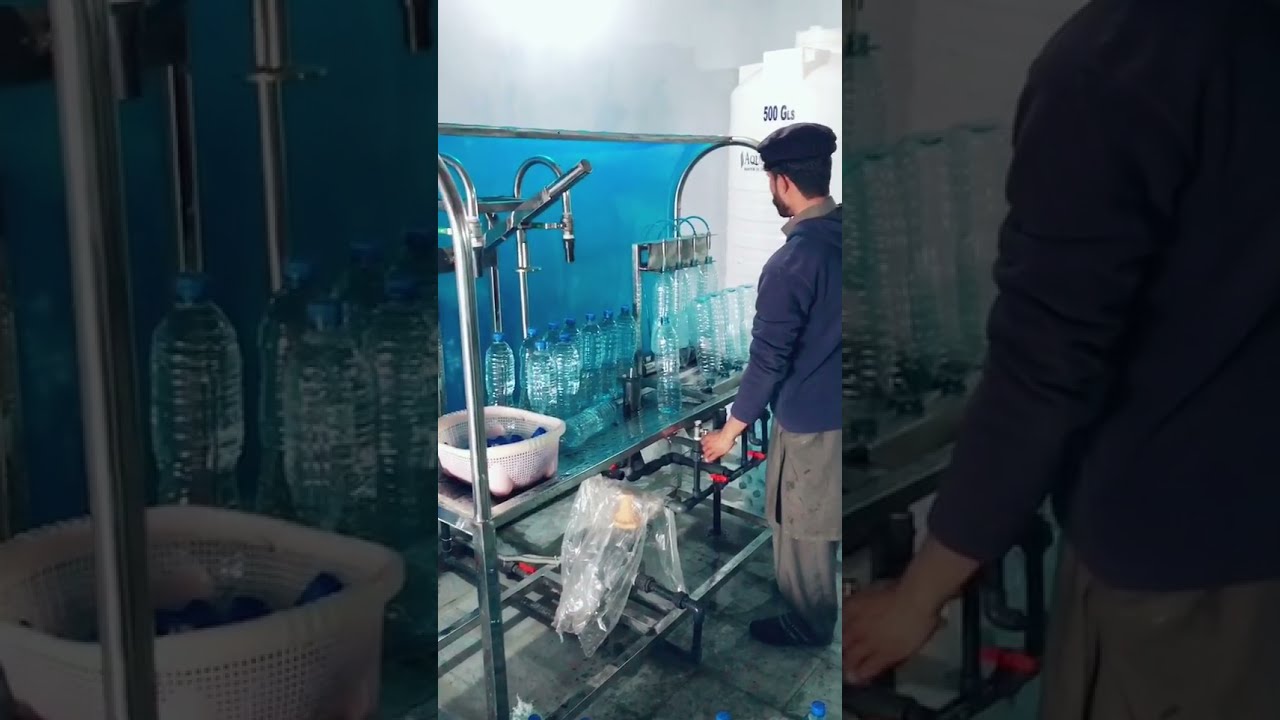
- Intake and initial testing: Water is drawn from the aquifer, tested for microbial quality, mineral content, and contaminant levels before any processing begins. Filtration and stabilization: Gentle filtration removes particulates while preserving mineral integrity. Stabilization steps ensure viscosity and clarity meet standards. Bottling and sealing: Bottles are filled in a controlled environment to prevent contamination, with tamper-evident seals and lot numbering. Lab verification: Independent labs verify mineral content and purity on every batch, then release certificates of analysis to partners and, where appropriate, consumers. Continuous improvement: Feedback loops involve retailers, food service partners, and consumers to fine-tune process controls and packaging formats.
What does this mean for a potential client? It means you’re not relying on whispers; you’re relying on verifiable data. When you present Glace Mineral Water to your customers, you can attach batch-level COAs (certificates of analysis) and a simple, transparent narrative about how the water stays pure from source to bottle. The effect is credibility that translates into lower buyer resistance and higher repeat purchase rates.
Sustainability and Social Responsibility: Caring for the Source
Sustainability isn’t a marketing line here; it’s weblink a discipline. The brand focuses on responsible sourcing, water stewardship, and reducing environmental impact throughout the lifecycle. Initiatives include:
- Water stewardship programs that protect aquifer recharge and reduce consumption across operations. Energy-efficient bottling lines and packaging optimization to minimize carbon footprint. Recyclability and consumer education about recycling best practices. Local community engagement, including educational tours and partnerships that support conservation.
From a client perspective, sustainability translates into long-term value. Retailers increasingly favor brands with robust environmental practices because these practices lower risk and align with see more here consumer expectations. A successful case involved a regional partner who integrated Glace into a sustainability initiative, pairing it with a story about responsible sourcing and environmental stewardship. The collaboration not only boosted sales but also strengthened the brand’s reputation as a principled, future-facing player in the category.
Packaging, Branding, and Consumer Trust: Communicating the Source
Packaging is more than a container; it’s a daily touchpoint that communicates your promise. Glace Mineral Water uses design cues that reflect its origin story: clean typography, a color palette inspired by crystal-clear water and mineral hues, and copy that explains the source with concise science-based notes. The packaging is designed to be informative yet elegant, avoiding sensory overload while delivering trust signals.
From a brand strategy angle, the packaging supports the core claim: pure, naturally mineral water sourced with care. We combine on-pack statements with digital content such as QR codes that lead to batch-specific COAs, source maps, and short videos about the aquifer protection program. This multi-channel approach gives consumers a way to verify what they’re drinking and why it matters.
A practical client win came from introducing a line extension that emphasized the “crystal clarity” of Glace. We created a secondary packaging tier that uses less packaging, a lighter bottle, and a bold “Naturally Mineral Balanced” claim. Retail partners appreciated the clarity, and consumers appreciated the simplified, trustworthy message. The lesson here is simple: align packaging, messaging, and proof of quality so the consumer journey feels seamless from shelf to sip.
Productivity, Pricing, and Market Positioning: Getting It Right
In a crowded mineral water category, pricing and position matter as much as taste. The Glace strategy balances premium credibility with accessible value. Here are the levers we use:

- Value-based pricing: Pricing reflects perceived quality, mineral quality, and the sustainability story rather than simply competing on price. Channel mix: A mix of grocery, hospitality, and e-commerce ensures broad reach while preserving premium positioning in key outlets. Seasonal and regional campaigns: Limited-edition packaging and region-specific storytelling help maintain freshness and drive demand without diluting the core message. Trade marketing: We equip sales teams with talking points grounded in the source story, mineral profile, and QA processes so reps can answer “why Glace?” with confidence.
A client case highlights the impact of a deliberate channel strategy. By focusing on premium grocery channels and select foodservice partners, we created a halo effect—listeners began to associate Glace with quality and care. The result was market share gains in a relatively short period and stronger relationships with buyers who value traceability and sustainability.
Flavor Pairings and Culinary Uses: Beyond the Bottle
Water is a canvas, not a mere backdrop. The mineral balance in Glace makes it particularly well-suited for pairing with foods and beverages that rely on subtle acidity, wine, tea, and cocktails. Chefs appreciate its clean profile because it won’t overpower delicate flavors, yet it provides a refreshing counterpoint to fatty or salty dishes. In beverage development, the water’s mineral content can influence extraction in coffee and tea, contributing to a balanced brew.
In practice, culinary partnerships have yielded showcases in which Glace was paired with coastal seafood, light salads, and mineral-forward cocktails. The narrative to consumers highlights how the water’s mineral balance can enhance the overall tasting experience without adding aftertaste. This approach helps convert water into a preferred ingredient rather than a mere accessory, expanding its usage scenario in homes and restaurants alike.
FAQs: Quick Answers to Common Questions
- What makes Glace Mineral Water different from regular spring water? Glace emphasizes a specific mineral balance sourced from a protected aquifer, with rigorous QA and transparent batch documentation. The result is a consistent taste profile with a defined mineral signature that’s easy to recognize. Is Glace bottled at the source? Yes, Glace is bottled close to the source to preserve mineral integrity and reduce transport-related changes in taste and quality. How can I verify the mineral content for a specific batch? Each batch comes with a certificate of analysis (COA) that lists mineral levels and contaminant tests. You can request access through retailers or the brand's digital channels. Is Glace suitable for cooking or coffee brewing? The water’s mineral balance can influence taste in coffee, tea, and cooking. It’s particularly favorable for beverages that benefit from a clean, balanced mineral profile. What sustainability practices are associated with Glace? The brand emphasizes water stewardship, energy-efficient bottling, recyclable packaging, and community engagement around conservation. Can I trace the origin of a bottle I buy? Yes, batch codes link to a source map and COA. Some retailers provide direct access to batch-level documentation for consumer transparency.
Conclusion: Why Origin, Quality, and Trust Matter Together
From the mineral-rich origins to the final sip, Glace Mineral Water is built on a foundation of honesty, science, and care. The source is more than a place; it is a testament to meticulous process control, environmental stewardship, and a commitment to consumer confidence. When you communicate the origin clearly, you invite consumers into a story they can trust. When you pair that story with measurable QA data, you turn curiosity into loyalty.
For brands seeking to differentiate in a crowded category, the lesson is straightforward: tell a precise origin story, back it up with data, and keep the consumer’s sense of wonder alive through transparent, accessible communication. The result isn’t just a bottle on a shelf; it’s a trusted relationship built one refreshing sip at a time.
Additional Resources for Brand Teams
- Batch-level COAs and traceability documents Aquifer protection and sustainability reports Packaging design guidelines aligned with origin storytelling Consumer testing notes and sensory evaluation results
If you’re exploring how to apply these principles to your own mineral water or beverage brand, I’m happy to share tailored strategies, case studies, and practical playbooks. The right combination of origin clarity, QA transparency, and consumer-centered storytelling can transform a product into a trusted, beloved staple.
Key Takeaways
- Authentic origin stories matter and should be backed by data. Mineral balance defines taste and creates a distinct identity. Transparent QA and batch traceability build consumer trust. Sustainability and responsible sourcing strengthen market position. Packaging and messaging must align with the source story for maximum impact.
By embracing these principles, Glace Mineral Water not only quenches thirst but also earns a lasting place in the hearts and minds of thoughtful consumers.